Mauna Kea Stargazing Tour
Visitor Guide

Mauna Kea Stargazing Program

Above 13,000 feet, Hawai'i's tallest mountain sits over a third of the atmosphere and above the trade-wind inversion layer. A guided Mauna Kea stargazing tour is the standard way most visitors reach that altitude at dusk without driving unpaved switchbacks in the dark. This guide sets out the shape of the evening and the conditions that govern it.

11 min read Updated 2026-08-08 Fact-checked
Mauna Kea Stargazing Program

Quick answer

The mauna kea stargazing program is a guided evening excursion up Mauna Kea Access Road, priced at 330 USD per person, that pairs summit sunset viewing with telescope-assisted stargazing lower down. The mountain has no gates or fixed opening hours; the trip runs on tour schedules instead, with the recommended arrival window at 16:00–16:30. Conditions above the inversion layer can alter the itinerary.

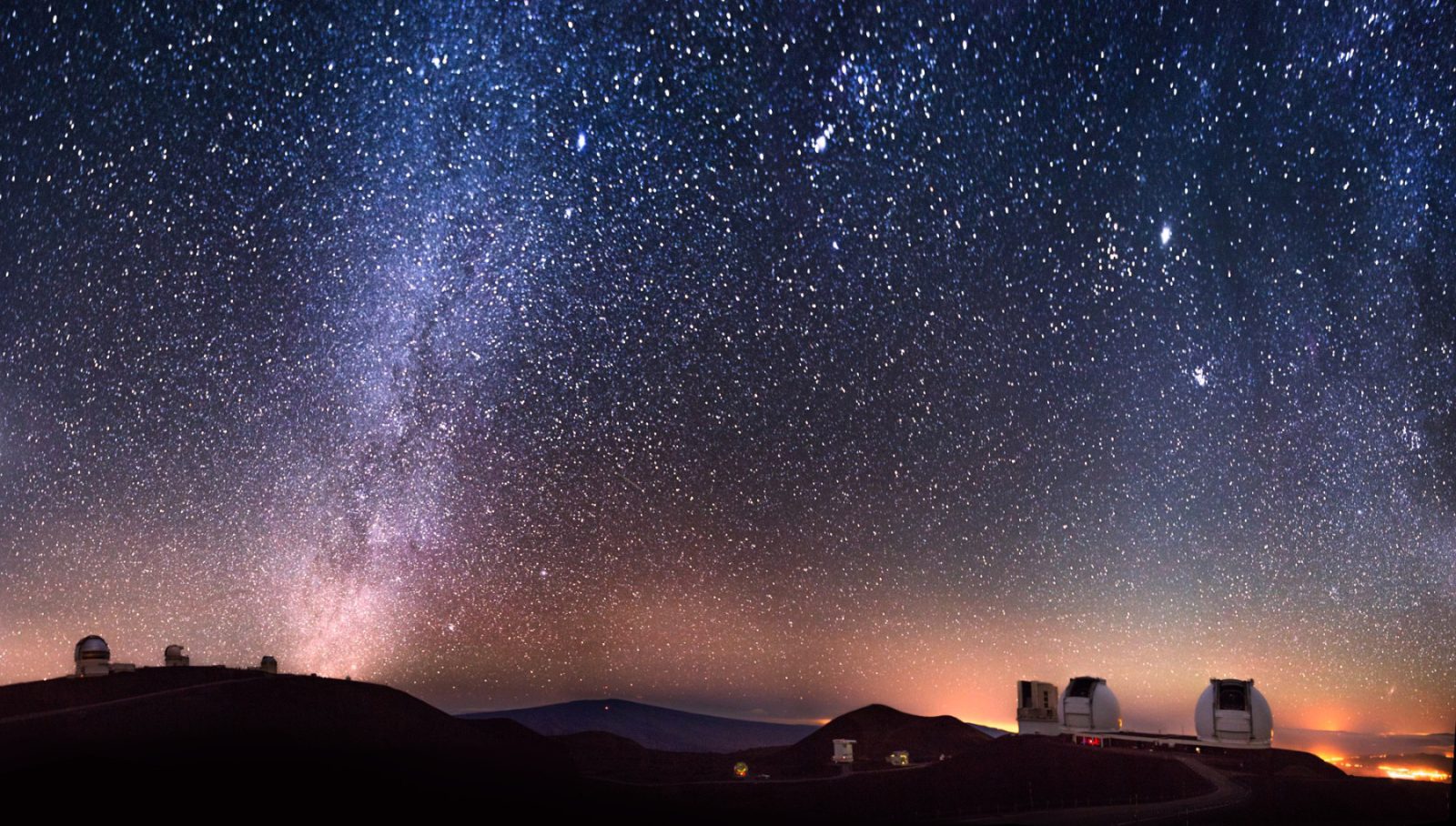
Mauna Kea's summit holds roughly a dozen working observatories, including Subaru, Keck and Gemini North — an instrument density found nowhere else on Earth. The reason is meteorological rather than sentimental: the trade-wind inversion layer traps moisture and cloud below about 6,000 feet, leaving the upper mountain in dry, still air with some of the steadiest seeing on the planet. A mauna kea stargazing program is built around that same accident of geography, borrowing the astronomers' sky for a few hours after sunset. What a visitor is dealing with is a mountain, not a venue. There is no ticket booth on Mauna Kea Access Road, no turnstile, and no posted closing time — access is governed by road conditions, the Maunakea Visitor Information Station at 9,200 feet, and the vehicle a person happens to be driving. Rental agreements on the Big Island routinely prohibit the unpaved stretch above the station, and the summit road demands four-wheel drive and low-gear descent. That is why the guided Mauna Kea sunset stargazing tour exists as a category at all: it solves the vehicle problem, the acclimatisation stop, and the cold, all of which catch out independent drivers who set off from Hilo or Kona in shorts. The evening itself follows the light. Guides run the summit portion while the sun is still up, then withdraw downhill before full dark — summit telescope use is discouraged to protect research instruments from stray light, so the actual stargazing happens at lower elevation where the air is thicker and the body is happier. Expect Hawaiian sky lore alongside the astronomy; the mountain is a sacred landscape in Native Hawaiian tradition, and reputable operators treat it as such. Read this page as orientation, then use the dedicated sections for the specifics. Departure logistics and pickup points sit under getting there; the hour-by-hour sequence under the itinerary; seasonal and lunar considerations under best time; restrictions and packing under do's and don'ts. Once the shape of the mauna kea stargazing program guide makes sense, comparing available departures becomes a short exercise rather than a research project — and the booking pages carry the current availability.

“There is no ticket booth on Mauna Kea Access Road, no turnstile, and no posted closing time — access is governed by the road, the weather, and the vehicle.”
Itinerary

Mauna Kea Stargazing Program itinerary and timing

This sequence suits first-time visitors joining the standard Sunset & Stargazing tour, which runs roughly seven to eight hours from late-afternoon pickup to late-evening drop-off. It maps how the evening unfolds so you know what happens between the coast and the 9,200 ft observing site.

16:00

Pickup and coastal departure

Board the tour vehicle and settle in for the drive inland; allow 10-15 minutes for boarding and safety briefing before rolling. Seats fill front to back, so board early if you want a window.

16:45

Saddle Road climb

The route crosses Saddle Road between Mauna Loa and Mauna Kea, gaining elevation steadily over about an hour. Layers come out here as outside temperatures start dropping.

17:30

Onizuka Center acclimatisation stop

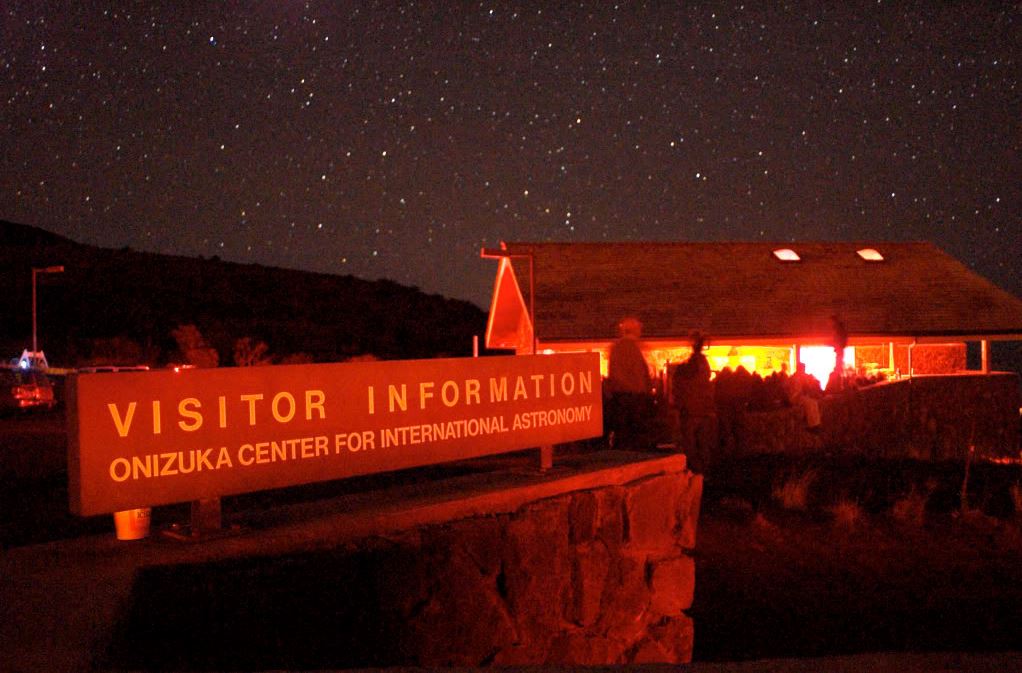
Stop at the Onizuka Center for International Astronomy at 9,200 ft for a 30-45 minute pause. This break lets your body adjust before the final climb and is where the hot meal is usually served.

18:00

Hot meal and warm layers

A supplied hot dinner or soup with a hot drink is eaten during the acclimatisation window. Parkas and gloves are handed out here rather than at the summit.

18:30

Summit road to 13,796 ft

The unpaved section leads to the summit area near the observatory cluster, taking roughly 25 minutes. Move slowly once out of the vehicle - thin air makes ordinary walking feel steep.

19:00

Sunset above the cloud line

Around 30-40 minutes at the summit for sunset over the inversion layer and the shadow of the mountain to the east. Vehicles must leave the summit within 30 minutes of sunset.

19:45

Descent to stargazing site

Return to around 9,000 ft where telescopes are set up away from summit restrictions. The drive down takes about 20 minutes.

20:00

Telescope viewing and constellations

Roughly an hour of guided naked-eye tours and telescope views of planets, nebulae and star clusters. Red-light torches only - white light resets everyone's night vision.

21:15

Return drive

The descent retraces Saddle Road with most groups back at their original pickup point by late evening. Many riders sleep on this leg, so keep headphones handy.

Directions

How to get to the Mauna Kea Stargazing Program pickup points

The main pickup points are on the Kona coast, in Waikoloa Resort, and at the Maunakea Visitor Information Station on Mauna Kea Access Rd in Hilo. If you are staying in Kona, Waikoloa, or east-side lodging, choose the nearest meeting point so you can reach check-in without rushing.

Car 10-30 min from nearby Kona hotels

Kona Crossroads Shopping Center, 75-1027 Henry St, Kailua-Kona, HI 96740

Car 5-25 min from South Kohala Coast hotels

Queens’ Marketplace (Snorkel Bob’s), 69-201 Waikoloa Beach Dr, Waikoloa Beach Resort

Car about 20 min from Waimea; about 1 hr 10 min from Hawi

Waikoloa Plaza (Kohala Coffee Co.), Waikoloa Village, HI 96738

Car about 1 hr 10 min from Hilo

Maunakea Visitor Information Station, Mauna Kea Access Rd, Hilo, HI, United States

The best arrival window is 16:00–16:30, so you have time for check-in before the tour pickup sequence and sunset timing. For the Hilo-side stop, parking is in the lower dirt lot below the visitor center, and guests should walk up to meet the guides; for Kona and Waikoloa, use the designated shopping-center parking areas and stay near the marked pickup spot.

Prices

Mauna Kea Stargazing Program price and what the official fee covers

The official fee for the Mauna Kea Stargazing Program is a per-person tour price, and the quoted base rate does not include Hawaii taxes or the online booking fee. It is a single published admission figure rather than a tiered ticket menu.

Adult Base per-person tour price
USD 330.00
Reduced Same published rate applies
USD 330.00
Under 18 Tour price is per person
USD 330.00
Passage/zone No separate zone fee listed
USD 330.00

Verdict: A typical adult pays USD 330.00 before taxes and the online booking fee, and the only thing that changes it is the reservation charges added at checkout.

Etiquette

Mauna Kea Stargazing Program rules, health limits, and what to bring

At 13,796 feet, the summit thins the air to roughly 60 percent of sea-level oxygen, so the participation rules here are medical limits rather than courtesy. Operators enforce them on the spot, and red-light discipline protects the observatory work happening around you.

Do

  • Bring a heavy winter coat, hat, gloves and closed-toe shoes
  • Declare heart, lung, or circulatory conditions and recent surgery when booking
  • Wait at least 24 hours after your last scuba dive
  • Keep children under 13 off the summit portion of the tour
  • Use red-filtered flashlights only once telescopes are set up
  • Hydrate through the day and move slowly at altitude

Don't

  • Don't dive the same day you plan to visit the summit
  • Don't travel if pregnant, obese, or under 13 years old
  • Don't use white light, phone screens, or camera flash near telescopes
  • Don't wear shorts, sandals, or a single light layer
  • Don't ignore headache, nausea, or dizziness — tell your guide
  • Don't wander off marked areas or approach observatory buildings
Nearby

Nearby stops around the Mauna Kea Stargazing Program

A visit to the Mauna Kea Stargazing Program pairs naturally with a few stops along the Hilo-side approach and the Saddle Road junction. The best matches are places that fit the same Mauna Kea science-and-landscape route without adding much detour.

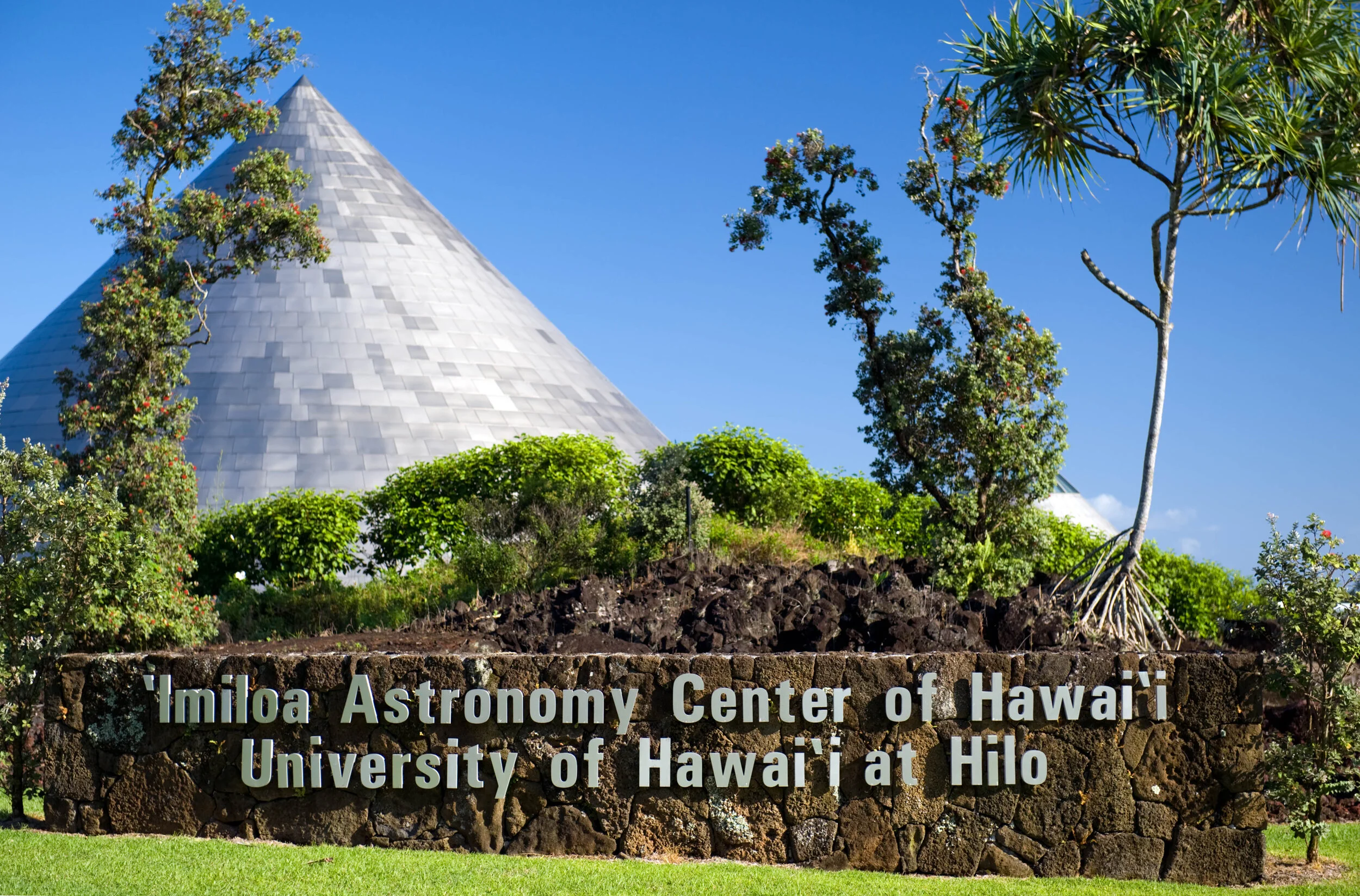
ʻImiloa Astronomy Center

ʻImiloa Astronomy Center

about 1 hr from the Mauna Kea Access Rd pickup area

This Hilo museum and planetarium is the clearest companion stop if you want the astronomy theme before your evening tour. It also works well earlier in the day, since it keeps you on the east-side route toward the mountain.
Mauna Kea astronomy museum

Hilo science center

Maunakea Visitor Information Station

Maunakea Visitor Information Station

about 1 hr 10 min from Hilo

This is the most route-relevant stop because it sits on Mauna Kea Access Road and is part of the mountain approach. It is useful if you want to orient yourself to the terrain and conservation setting before or after a stargazing outing.

Mauna Kea Access Road

Mauna Kea mountain road

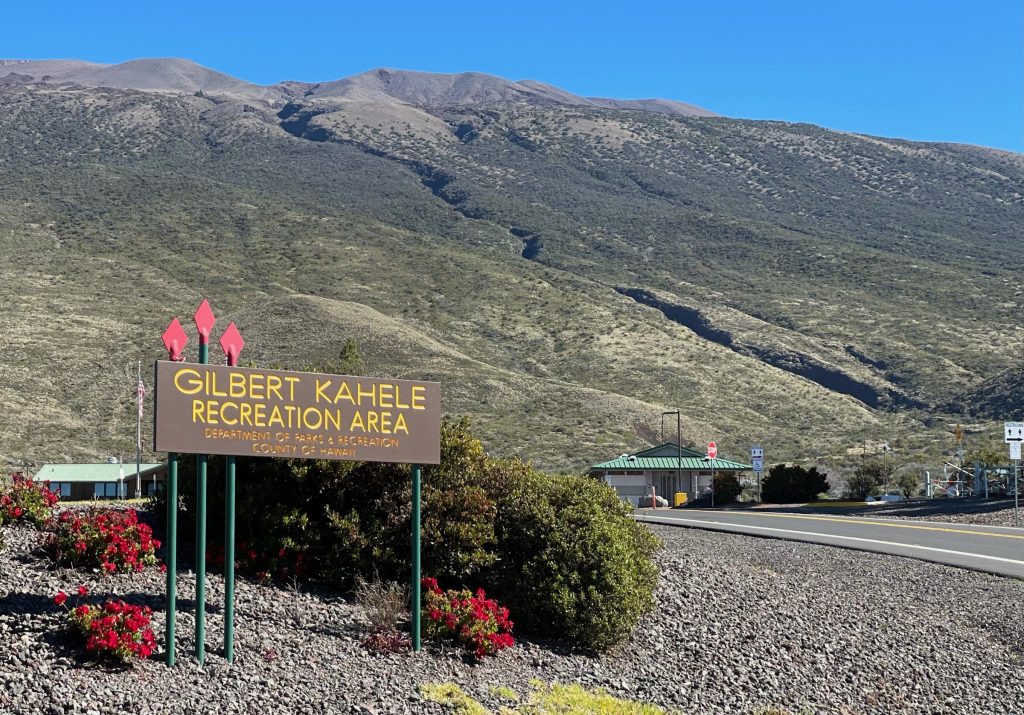
Gilbert Kahele Recreation Area

Gilbert Kahele Recreation Area

about 35 min from Hilo

Located on the lower slopes near the Saddle Road and Mauna Kea Access Road junction, it fits naturally with a drive built around the mountain. It is a practical pause point if you are combining the tour with a broader cross-island transfer.

Saddle Road Hawaii

Mauna Kea slopes

Puʻu Huluhulu

Puʻu Huluhulu

about 35 min from Hilo

This cinder cone sits by the Mauna Kea Access Road turnoff, so it is one of the most direct add-on stops on the same corridor. It pairs well for visitors who want a short landscape stop tied to the route rather than a separate day trip.

Mauna Kea turnoff

Saddle Road cinder cone

Checklist

Mauna Kea Stargazing Program pre-visit checklist

Work through these in order, from the weeks before your Mauna Kea stargazing tour down to the hour you leave.

Book

Check availability

Frequently asked

Frequently asked questions about mauna kea stargazing program

Everything you need to know about mauna kea stargazing program

What is the mauna kea stargazing program?

The mauna kea stargazing program is a guided sunset-to-night-sky tour on Mauna Kea. It combines summit views, telescope viewing, and a mid-mountain stargazing stop with guide commentary about the observatories and the sky.

How long does the mauna kea stargazing program take?

The mauna kea stargazing program runs about 7.5–8.5 hours, depending on your departure point and the season. That timing matches the published tour duration on the official site.

How much is the mauna kea stargazing program?

The mauna kea stargazing program is priced from 330 USD per person. That is the official tour price shown by the operator, and it may not include taxes or online booking fees.

Where does the mauna kea stargazing program start?

The mauna kea stargazing program uses Mauna Kea Access Rd, Hilo, HI, United States as the listed pickup location. The operator also offers other pickup points, but this address is the one published for the Maunakea Visitor Information Station pickup.

What time should I arrive for the mauna kea stargazing program?

The best arrival window is 16:00–16:30, so you can arrive before pickup and sunset timing. If you are using the Maunakea Visitor Information Station pickup, plan to be ready early enough to check in smoothly.

Is the mauna kea stargazing program suitable for kids?

The mauna kea stargazing program is listed for ages 13 and up. Because it is a high-altitude tour, families should also review the operator’s health requirements before booking.

What should I know before booking the mauna kea stargazing program?

A common mistake with the mauna kea stargazing program is assuming the weather can be guaranteed. Stargazing depends on natural conditions, so even when the tour runs, visibility can vary with cloud cover and mountain weather.

Keep reading

More guides & pages